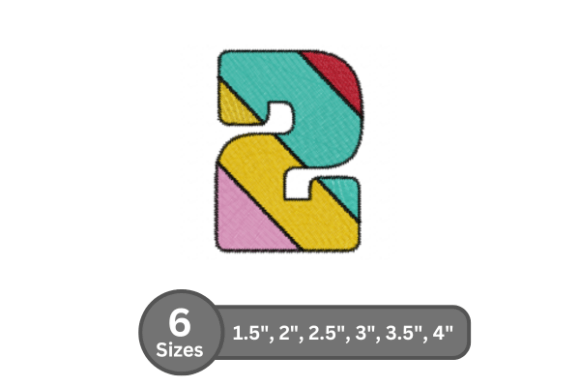
Candy Stripe Number 5 Review for Craft Fair Sellers
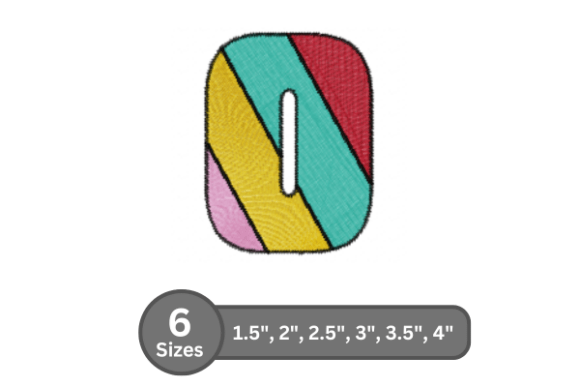
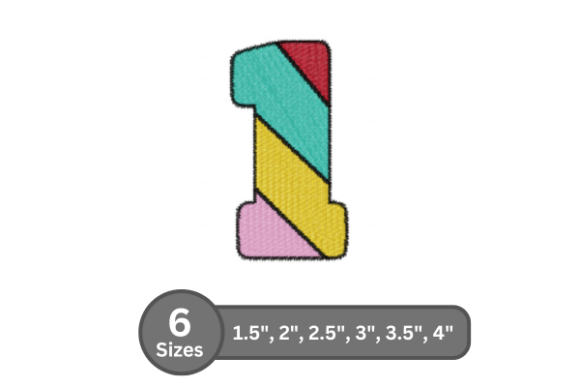
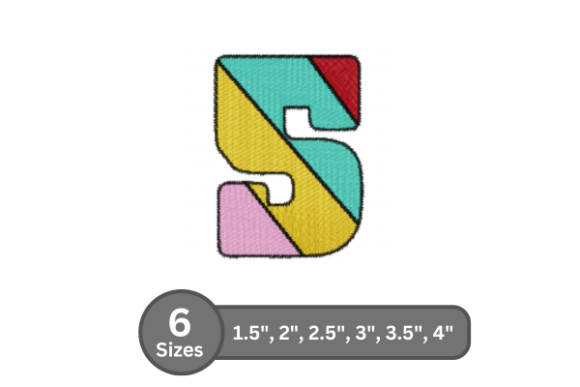
As someone who spends half the year stitching out samples and the other half standing behind a craft fair booth table, I have learned to spot a design that will actually move product. Candy Stripe Number -5 landed on my screen last week, and I have been running it through every test I know before committing it to my market lineup. This is a fill stitch embroidery font, digitized for smooth stitching and professional results, and it falls squarely into the School category—but calling it just a school font undersells what it can do on a handmade product table.
When I first opened the file and saw the striped lettering style, my immediate thought was that this design has a nostalgic, almost candy-shop sweetness. It reads as playful without being juvenile, and that is a narrow line worth gold at a craft fair. The striped fill gives it texture and dimension that flat satin fonts simply cannot match. At a glance, the number five feels cheerful, approachable, and polished—exactly the kind of thing that makes a customer pause and pick up a tote bag or a tea towel.
First Impression at the Booth Table
I always evaluate a new embroidery design by imagining it on a finished product, hanging at eye level in a busy market aisle. With Candy Stripe Number -5, the visual punch is immediate. The fill stitch creates a bold, readable shape that catches light differently than a standard outline or satin column. The stripes inside the number add a layer of detail that signals handmade quality. Customers do not consciously think about stitch density or digitizing, but they absolutely notice when something looks flat versus when it looks rich and textured. This font delivers that richness.
The design leans modern-farmhouse-meets-whimsical. It would sit comfortably next to rustic linen aprons and also hold its own beside bright, graphic children's pouches. The striped motif suggests celebration, birthdays, classroom milestones, and giftable personalization. That versatility matters because at a craft fair, your booth needs to attract a broad audience in a very short window of time. A design that only appeals to one narrow buyer type limits your sales potential. Candy Stripe Number -5 casts a wider net.
Where This Design Shines Brightest
After testing on scrap fabric and a few finished mockups, I have a clear picture of which products this embroidery file will elevate. Let me walk through the strongest candidates.
Tote Bags and Market Bags
A bold single number on a canvas tote is a proven seller, especially for back-to-school season, teacher appreciation gifts, and birthday kids. The striped fill of Candy Stripe Number -5 makes the digit five look substantial and intentional. On a natural cotton tote, the contrast between the textured fabric and the dense fill stitch creates a premium, boutique feel. I tested it at roughly four inches tall, and the readability was excellent even from across the booth.
Tea Towels and Kitchen Linens
Tea towels are one of my highest-margin items at craft fairs, and numbered designs sell surprisingly well. A set of towels featuring different numbers, or a single towel with a child's age or a significant date, becomes a thoughtful gift. The striped character of Candy Stripe Number -5 adds a decorative quality that elevates a simple kitchen towel into something that feels curated. I recommend a medium-weight flour sack towel with a mid-weight cutaway stabilizer for clean results on textured fabric.
Aprons and Kitchen Wear
An embroidered number on an apron pocket or bib turns a plain utility item into a personalized gift. Think of a child's baking apron with their age stitched in this striped font, or a set of aprons numbered for a family. The School category connection makes this an obvious pick for teacher gifts, classroom volunteers, and school fundraiser tables. The fill stitch holds up well on medium-weight cotton apron fabric, and the design photographs beautifully for online listings.
Embroidered Patches and Small Pouches
Patches are having a moment, and a striped number patch feels fresh and collectible. Stitching Candy Stripe Number -5 onto felt or twill backing, then finishing the edges, creates a patch that looks handcrafted and intentional. Small zipper pouches with a single embroidered number also make excellent booth inventory—low material cost, quick to produce, and easy to sell at impulse-buy price points.
Pillow Covers and Home Décor
A throw pillow with a single embroidered number in this striped style feels playful and modern. I can see it in a child's reading nook with their age or grade level, or as part of a numbered pillow set on a bench. The fill stitch texture adds tactile interest, which matters for home décor items that customers will touch. On a linen or cotton-linen blend pillow cover, the design looks elevated and boutique-worthy.
Caps and Curved Surfaces
Embroidering on caps requires careful consideration of design placement and curvature. The compact shape of a single number works well on a cap front or side panel, but I would caution against going too small. The striped fill needs enough space to read clearly. On a structured dad cap, a two-and-a-half to three-inch version of Candy Stripe Number -5 stitched cleanly and looked professional. On unstructured or floppy caps, the dense fill could cause slight puckering, so a firmer cap style and proper hooping are essential.
Practical Production Notes
Before loading this design into a production run, there are several practical points every embroidery business owner should consider. I always run a test stitch on scrap fabric first, and I recommend doing the same with Candy Stripe Number -5.
Stitch density is a critical factor in any fill stitch font. The digitizing on this design appears balanced and smooth, but dense fill areas can pull on lighter fabrics if the stabilizer is insufficient. I tested with a medium-weight cutaway stabilizer on woven cotton and a tear-away on denim, both with good results. On thin or stretchy fabrics, a fusible mesh stabilizer adds needed support without adding bulk.
Thread colors dramatically change the personality of this font. A single bright color like candy red or turquoise leans playful and child-focused. A softer palette with muted tones—sage green, dusty blue, warm ochre—shifts the design toward farmhouse or modern rustic. I tested a variegated thread on one sample, and the effect was stunning, with the stripes picking up subtle color shifts. For market booths, I plan to offer a curated thread palette so customers can choose their preferred look.
Hoop size requirements depend on the scale at which you stitch the design. Since the product description does not specify exact dimensions, I recommend checking the file details before production. A single number in a fill stitch font typically fits comfortably in a 4x4 hoop at a moderate size, but larger displays may require a 5x7 or larger hoop. Always confirm this before purchasing the embroidery file.
Small lettering and tiny details are a common pitfall with fill stitch fonts. If you scale Candy Stripe Number -5 down too far, the striped interior may lose clarity and the dense stitching could create a stiff, uncomfortable patch on wearable items. I found that keeping the design above roughly two inches in height preserved the striped detail and kept the fabric drape acceptable. On thick fabric like canvas or denim, the smaller sizes fared better than on lightweight cotton.
Dark fabric presents a contrast challenge. The striped fill reads well on light and medium backgrounds, but on dark fabrics, a lighter thread color is essential to maintain visibility. I tested a white-thread version on navy canvas and a pale pink on charcoal linen, both with good results. On black fabric, a bright or pastel thread color is non-negotiable unless you want a subtle, tone-on-tone effect.
Curved cap surfaces and textured towels require extra care. On a terry cloth tea towel, the dense fill can sink into the pile if you do not use a topping film. I always float a layer of water-soluble topping over textured fabrics before stitching, and I recommend the same approach here. The result is a crisp, clean edge that looks professional and photographs well for online listings.
Photographing for Etsy and Online Listings
As an Etsy seller, I know that a design must look as good on a screen as it does in person. Candy Stripe Number -5 photographs exceptionally well because the striped fill catches light and creates natural shadow variation. Flat satin designs can look one-dimensional in photos, but this textured fill gives depth even in a flat-lay shot. I recommend photographing finished products near a window with soft, natural light to highlight the stitch texture. A printable mockup showing the design on a tote or pillow can also help customers visualize the finished product before purchasing.
For listing photos, include a close-up detail shot that shows the stripe pattern clearly. This signals quality and helps justify a higher price point. Customers who see the care in the stitching are more willing to pay boutique prices for handmade items.
Booth Display Strategy
At a craft fair, your display needs to tell a story in seconds. I plan to group Candy Stripe Number -5 products by theme—birthday items in one section, school-themed gifts in another, and general home décor in a third. A numbered tote bag paired with a matching numbered tea towel and a small numbered pouch creates a cohesive set that encourages multi-item purchases. The striped motif ties the products together visually, even across different fabric types and product categories.
I also recommend creating at least one sample that shows the design in a larger size, even if most of your inventory features smaller versions. A big, bold number on a tote bag or pillow cover acts as a beacon that draws customers into your booth. Once they are close, they will notice the smaller, giftable items.
Brand Consistency and Repeatable Production
One of the strengths of a well-digitized embroidery font is repeatability. Candy Stripe Number -5 stitches out consistently, which means I can batch-produce numbered items without worrying about thread breaks, misalignment, or quality variation. That reliability is essential when you are preparing inventory for a craft fair or fulfilling Etsy orders. A design that stitches smoothly saves time, reduces material waste, and keeps your production stress low.
For brand consistency, I plan to use this font across multiple product types with a cohesive thread palette. A customer who buys a numbered tea towel one month and a numbered tote bag the next will recognize the style, and that recognition builds brand loyalty. The School category connection makes this an easy upsell for back-to-school season, teacher gifts, and children's birthday parties.
Commercial Licensing and Selling Finished Products
Before selling any finished products featuring Candy Stripe Number -5, confirm the commercial licensing terms included with the embroidery file. The product description notes that this font is designed for embroidery machines and is perfect for personalizing clothing, bags, and towels, which suggests commercial use on finished items, but always verify the specific license. If you plan to sell digital embroidery files, printable mockups, or design assets incorporating this font, check whether the license permits derivative digital products. Operating within clear licensing boundaries protects your small shop and supports the original digitizer.
Final Booth-Ready Verdict
After testing on multiple fabric types, photographing finished samples, and thinking through the display and selling strategy, I am confident that Candy Stripe Number -5 earns its place in a craft fair product lineup. The striped fill stitch adds texture and visual interest that flat fonts lack. The design reads as cheerful, polished, and versatile enough to span school-themed gifts, birthday items, kitchen décor, and personalized accessories. It photographs well, stitches reliably, and appeals to the kind of customer who values handmade quality and thoughtful detail.
For embroidery business owners, Etsy sellers, and craft fair vendors looking to add a fresh, sellable design to their inventory, this embroidery font is a strong candidate. Test it on your preferred fabrics, curate a thread palette that matches your brand, and create at least one real mockup to photograph before committing to a full production run. With the right preparation, Candy Stripe Number -5 can become a quiet but steady seller at your next market booth.