Senior Class of 2026: A Charming Pink Bow Design
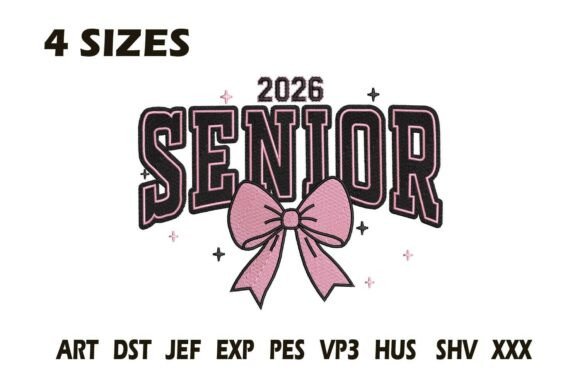
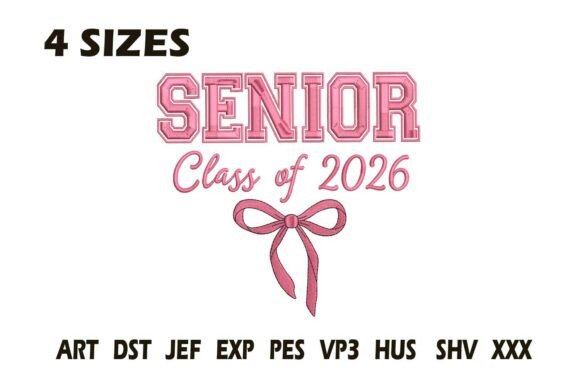
From a designer’s perspective, an embroidery file is more than a digital asset; it’s a blueprint for a finished product. My first impression of the Senior Class of 2026 Pink Bow embroidery design is exactly that: a well-conceived blueprint for creating something sweet and celebratory. It’s playful without being childish, and that specific year—2026—anchors it in a real, upcoming moment. This isn’t a generic school motif. It’s a keepsake piece waiting to be stitched.
The Mood It Creates and Where It Belongs
The combination of a classic bow and a clear year date creates a vibe of gentle celebration. It feels like a nod to a milestone, perfect for the student who appreciates something a bit softer than bold lettering or athletic imagery. The layout, with the bow taking center stage, suggests it’s meant to be a focal point, not a tiny accent. This design naturally belongs on items meant to be cherished or gifted. Think of a cozy sweatshirt for a soon-to-be graduate, a tote bag for carrying books during that final year, or a decorative pillow for a dorm room. Its whimsical touch, as mentioned in the description, makes it ideal for personalizing everyday items with a sense of occasion.
Performance in Real-Life Embroidery Projects
When considering real projects, I envision this design translating well onto a variety of surfaces. On a cotton t-shirt or a canvas tote, the satin stitch areas of the bow should provide a nice, smooth texture. For a baby item—perhaps a blanket for a sibling celebrating a senior—it adds a touch of familial pride. As an embroidered patch, it could be applied to a backpack or cap, offering versatility. For small business merchandise, like in a boutique focusing on school spirit or personalized gifts, this design offers a ready-made asset for creating limited, year-specific products. It’s also strong for printable mockups in an Etsy listing, showing potential customers a clear, appealing preview of a finished sweatshirt or apron.
However, its commercial embroidery use, say for a small shop producing dozens of items, hinges on its stitch density and detail level. A design with very dense fills on the bow might require more time and stabilizer, affecting production flow. For craft fair products, its clear theme helps it sell itself; a customer looking for 2026-specific items will recognize it immediately.
Where a Designer Should Use Extra Care
This design invites a few practical considerations. The year “2026” likely involves some smaller lettering. On highly textured fabrics like some towels or knit blankets, that small text might lose clarity if the fabric grain interferes. Stretchy fabric, like on certain t-shirts, demands excellent stabilizer to keep those crisp numbers from distorting.
On dark fabric, the choice of thread colors becomes critical. A pink bow on a black background can be stunning, but you must ensure the pink has enough visual pop and that potential shadowing from the stitch density is managed. Embroidering on curved surfaces, like the crown of a cap, would require careful positioning to keep the symmetrical bow looking balanced. Also, consider the product’s life: items like kitchen towels or aprons that need frequent washing benefit from a robust stitch construction that won’t fray over time. Testing on a scrap of your intended fabric is non-negotiable here.
Impact on Product Value and Customer Perception
Using a design like this effectively elevates a handmade product. It offers a specific, timely connection for the buyer, increasing its giftability and perceived value. For a creative entrepreneur, it aids brand consistency if you specialize in school-year or celebratory items. The finished product’s visual appeal hinges on stitching clarity—clean edges on the bow and legible numbers build customer trust. They see a professional, intentional application, not a blurry decal. This professionalism directly influences buyer engagement; a well-executed embroidered tote bag with this design tells a story, making it more likely to be shared and appreciated.
Practical Notes Before You Hoop Your Fabric
Before running this machine embroidery design, here’s my standard review checklist. First, test it on a scrap of your project fabric. This reveals how the thread colors interact with your material and exposes any issues with stitch density on your specific ground. Check the small details, especially the numerals, at your intended hoop size to ensure they are clear and not overly bulky.
I always recommend evaluating the design in both black and white mockups, mentally if not digitally, to gauge its strength on light and dark backgrounds. Use the proper stabilizer for your fabric type—this is paramount for preserving the design’s playful shape. Finally, confirm the licensing terms for this embroidery file. Understanding whether it’s cleared for personal use, commercial embroidery projects, or as a digital product asset for resale is a fundamental business step. Never assume; always check.
A Natural Fit for Specific Moments
In a real-life scenario, imagine preparing a custom embroidered sweatshirt as a holiday gift for a high school junior. The Senior Class of 2026 Pink Bow design isn’t just a decoration; it’s a precursor to a milestone. Stitched on the left chest, it becomes a wearable badge of anticipation. The client’s reaction would likely be one of delighted recognition—it’s personal, it’s pretty, and it’s perfectly timed. That’s the power of a well-chosen embroidery design. It fits the moment.
For makers and apparel decorators, this design serves as a reliable, theme-driven asset. It won’t do everything, but for the projects it belongs to—celebratory apparel, personalized gifts, boutique school merchandise—it performs with a charming clarity. Your job as the designer is to match it with the right fabric, the right stabilizer, and the right product, transforming that digital file into a finished product that feels both fun and meaningful.