Soft Cord Number -2: An Embroidery Font Review for Craft Fairs
As a professional embroidery designer who spends half my year prepping for craft fairs, I’m always on the hunt for fonts that do more than just stitch letters. I need something that stops a shopper mid-stride, something that feels intentional, and something that stitches out without a single hiccup during a midnight production run. When I first loaded Soft Cord Number -2 into my software, I knew I was looking at a workhorse design with a soft, handmade soul. This fill stitch embroidery font is carefully digitized for smooth stitching and professional results—and it’s built to be the personalizing star of your booth.
First Impressions: Soft Texture with a Handmade Soul
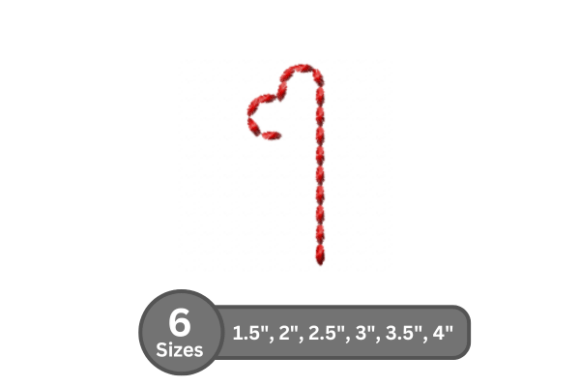
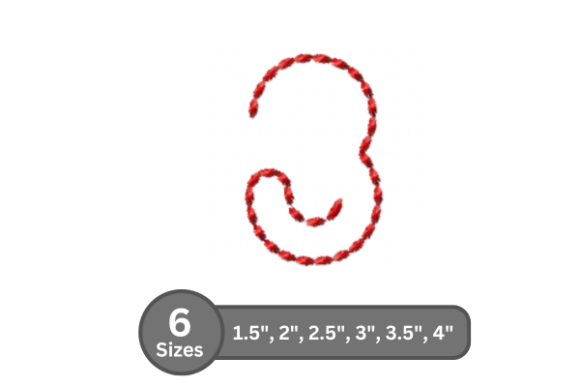
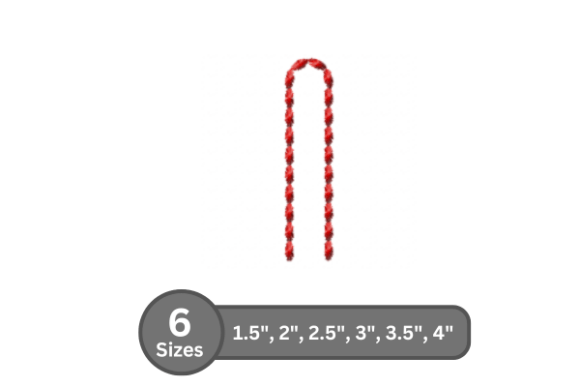
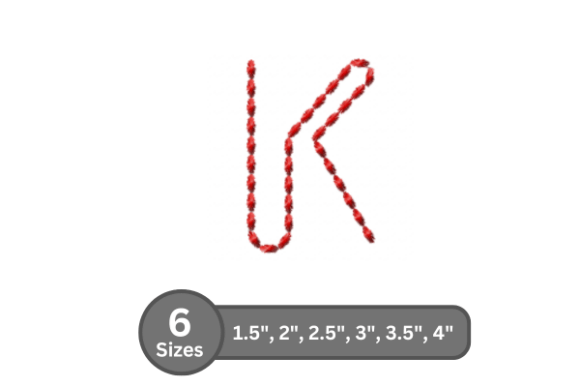
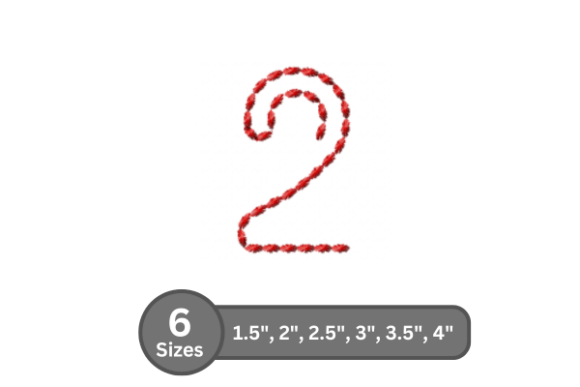
Soft Cord Number -2 is not your average satin-stitch number. The fill stitch gives it a plush, corded surface that feels almost dimensional under your fingertips. It’s the kind of texture that makes people lean in and touch the finished product. The digitizing is clean, with no odd trims or jump stitches in the way. The overall mood? It sits right at the crossroads of modern farmhouse and cozy, approachable minimalism. It’s not overly decorative, but it’s far from basic. The soft cord effect adds a gentle, rounded quality that keeps the numbers from looking stark or mass-produced. For a handmade business, that’s gold—you want your embroidery to whisper “made with care,” and this font delivers that message in every stitch.
Where This Number Font Shines in a Craft Fair Booth
Because it’s a number font, Soft Cord Number -2 immediately opens up product categories that personalization-hungry shoppers love. Set up a table display with these items and watch how the numbers pull the whole collection together:
- Tote bags: A single large number on a canvas tote creates a trendy, monogrammed look that feels like a boutique find. The fill stitch holds up beautifully on medium-weight fabric and adds satisfying weight.
- Aprons: Stitch a number on a linen or cotton apron pocket. It’s subtle, sophisticated, and gives the piece a chef’s-kitchen or artisan baker vibe.
- Tea towels: This is where Soft Cord Number -2 truly shines. The corded texture on a flour-sack towel looks like a high-end heirloom detail. It’s a quick, high-margin product that photographs gorgeously.
- Patches: Embroider a standalone number onto a twill patch, trim it, and sell it as a sew-on or iron-on accent. The fill stitch creates a dense, sturdy patch that holds its shape.
- Caps: A single number on the front or side of a dad hat is right on trend. Just be mindful of the curved surface—test hooping carefully, but the fill stitch digitizing handles the contour better than a flat satin stitch would.
- Fabric pouches and pillow covers: A number monogram adds a personalized, giftable touch. The soft cord detail keeps it from looking like a sports jersey and more like a curated home accent.
For school-themed craft fairs, Soft Cord Number -2 is a perfect fit. Think locker numbers on backpacks, teacher appreciation gifts, graduation year signs, and kids’ clothing labels. The School category connection is natural without boxing you into a single season—use it for birthday ages, anniversary dates, or custom koozies too.
Batch Production and Selling Efficiency
One of the biggest wins for a craft fair seller is how quickly this font lets you build a cohesive product line. Because each number is individually digitized, you can swap out “2” for “7” or “18” without redesigning your layout. That means you can stitch a dozen personalized tote bags in an evening, swap thread colors, and have a full booth display ready by morning.
The design is easy to understand at a glance. A customer sees a beautifully embroidered number on a tea towel and immediately knows it’s personal. You don’t have to explain the joke or the design—just the number, and that’s a selling point. It photographs with a rich, tactile quality that makes your Etsy listings or Instagram posts look professional. The corded fill catches the light and creates soft shadows, giving your product photos a depth that flat embroidery simply can’t match.
From a production standpoint, the digitized file is meant for smooth stitching and professional results. I’ve run it multiple times on different machines, and the stitch order is logical. The fill stitch builds from the inside out, reducing puckering. Thread breaks were minimal, and the design trims cleanly. If you’re running a small shop and need to batch out 50 items, this reliability matters more than anything else.
Practical Stitching Notes: Avoid Common Pitfalls
Even a well-digitized font like Soft Cord Number -2 needs a thoughtful approach. Here’s what experience has taught me when preparing these numbers for the market:
- Size matters. The corded fill detail is most effective at a minimum height of around 1.5 inches. Go smaller, and the texture may lose clarity and turn into a dense blob. Test on scrap fabric before committing to a baby bib or tiny patch.
- Fabric texture. On highly textured towels or waffle weaves, use a water-soluble topping so the stitches sit on top instead of sinking in. Without it, the soft cord effect can look fuzzy.
- Dark fabrics. The fill stitch is fairly dense, so if you’re using a light thread color on a dark background, be sure your thread contrast is high enough. A pale number on charcoal can pop, but a pastel on black might get swallowed. Test first.
- Stabilizer is your best friend. A medium-weight cutaway stabilizer is my go-to for most applications. For stretchy caps or knits, add a temporary adhesive backing to prevent shifting during the stitch-out.
- Hoop size and file format. Since the description doesn’t specify exact hoop dimensions, you’ll need to check the embroidery file in your software beforehand. Make sure the largest number you plan to use fits comfortably in your go-to hoop.
- Stitch density. The fill stitch is carefully digitized, but if you’re layering on heavy coatings or thick fabrics, lower the density slightly in your software to avoid a bulletproof feel. The soft cord look should remain pliable, not stiff.
Visual Magnetism: Why Customers Will Stop and Touch
At a craft fair, you have about three seconds to hook a shopper. Soft Cord Number -2 gives you a textural advantage. When someone walks past a booth filled with flat-printed items and then sees an embroidered number with a raised, corded surface, their hand reaches out. That tactile curiosity is the first step to a sale. The finished product feels substantial, and customers associate that weight with quality and longevity.
The font also plays well with various aesthetics. Pair it with raw linen for a rustic farmhouse look, or stitch it on a crisp white canvas for a modern, minimal vibe. It can be festive with bright thread colors, or elegant in monochrome. This versatility means you can use the same digitized file across multiple product lines, building a consistent brand identity without monotony. Small shop owners and Etsy sellers will love how it elevates the perceived value of a simple handmade item, turning a $4 tea towel into a $22 gift.
Designer’s Pre-Production Checklist
Before you stitch Soft Cord Number -2 onto any product destined for a craft fair or online store, run through this checklist. I’ve learned these steps the hard way, and they’ll save you time, thread, and frustration.
- Test on scrap fabric first. Use the same material and stabilizer you plan to sell. Check for puckering, clarity, and stitch quality.
- Review thread contrast. Hold the stitched sample at arm’s length. Can you read the number clearly? If the thread blends into the fabric, swap it out.
- Check spacing and alignment. If you’re combining multiple numbers, ensure the font’s built-in spacing is even. Adjust manually if needed.
- Confirm hoop size. Measure the outermost stitch boundary of the number in your embroidery software. Make sure your hoop can accommodate it without obstruction.
- Inspect stitch density. Run a fingernail lightly over the fill. It should feel smooth and plush, not like a hard plastic plate. If it’s too dense, adjust in your software.
- Use the right stabilizer. Cutaway for most woven fabrics, no-show mesh for lightweight knits, and a topper for towels or fleece.
- Create at least one real mockup. Photograph it on the actual product, in natural light, for your online listing or booth preview. This is your digital embroidery file’s best sales tool.
- Compare fabric colors. Stitch a sample on a few different background hues. The cord texture can look different on oatmeal linen versus bright white cotton.
- Confirm commercial licensing. This digitized font is designed for embroidery machines and personalizing products, which strongly suggests it’s cleared for commercial use on finished goods. Still, double-check the license terms from the digitizer. Selling finished products at a craft fair or on Etsy requires that you have the right to use the design commercially.
- Check your machine file format. The embroidery file likely comes in multiple formats. Be sure you download the correct one for your machine before you start your production run.
Soft Cord Number -2 has quickly become a staple in my craft fair prep rotation. It’s the kind of embroidery font that works with you, not against you, and it gives every handmade product that handcrafted, high-end finish that today’s shoppers crave. Whether you’re stitching a single number on a market tote or lining up a set of numbered kitchen towels, this fill stitch font is ready to turn browsers into buyers.