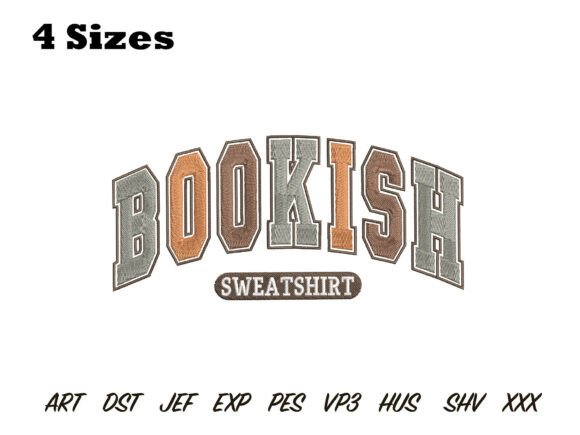
Bookish Embroidery Design Review for Small Business Merch
First Impressions: Playful Charm Meets Practical Branding
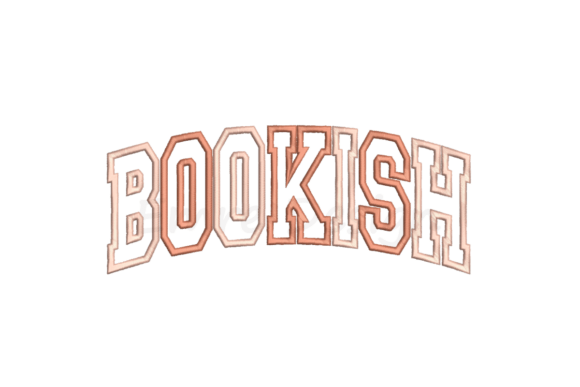
When I first opened the Bookish Sweatshirt Embroidery file, I immediately felt a sense of cozy, approachable whimsy. The description promises a playful embroidery design that brings charm to fabrics, and it delivers on that promise. This isn't a stiff, corporate logo—it's a friendly, hand-drawn-like motif that would feel right at home on a bookstore apron, a café tote bag, or a creative studio's staff cap. The personality lands somewhere between modern craft fair and vintage library, which gives it surprising versatility for small business branding. As a digital embroidery file, it already carries a warmth that many business owners desperately want, but often struggle to capture in a stitch-out.
For a small business merch lineup, this design reads as genuinely handmade and approachable, not mass-produced. The whimsical feel suggests a boutique that values personality over polish, which is a strong selling point for brands that rely on connection and storytelling. My first reaction was to imagine it as a chest accent on a bookstore crewneck, or as a subtle branded mark on a reusable coffee sleeve. It's a design asset that immediately sparks ideas, which is exactly what you want from a commercial embroidery file.
Scaling the Design for Embroidered Patches and Small Logos
One of the most critical checks I do with any machine embroidery design is a mental shrink test. At its core, the Bookish Sweatshirt Embroidery appears to have a balanced composition, but I'd strongly advise testing it at actual patch size before committing to a bulk run. Many designs with playful, animated outlines can lose their charm when scaled below 2.5 inches. The open spaces and delicate details that make it look "whimsical" on the screen might become muddled if the stitch density isn't optimized for a small embroidered patch.
For a cap embroidery or a sleeve detail, the design needs to breathe. If the original file includes tiny lettering or intricate inner lines, those elements could close up on textured fabrics like canvas or denim. My rule of thumb: always request a stitch-out at the exact dimensions you intend to use, and on the same fabric you'll print on. A printable mockup is helpful for client approval, but nothing replaces a real needle hitting real thread. The hoop size and file format aren't explicitly listed, so I'd reach out to the supplier to confirm the smallest recommended sizing before you base a product line around it.
Business Applications: Where Bookish Sweatshirt Embroidery Shines
This design is a natural fit for brands that thrive on atmosphere. Here are the real-world scenarios I'd greenlight immediately:
- Bookstore and café staff uniforms: A left-chest embroidery on a canvas apron or a lightweight denim shirt. The literary, cozy vibe reinforces the shop's identity without looking like a uniform.
- Boutique tote bags: Imagine a natural cotton tote with a single, well-placed stitch-out in a muted burgundy or forest green. It transforms a plain bag into a sought-after handmade product.
- Creative studio merch: For a pottery studio, a letterpress shop, or a florist, this design adds a touch of narrative. It works as a sleeve patch or a small back-collar accent.
- Event merchandise and customer gifts: A limited run of embroidered notebooks, zip pouches, or tea towels would make memorable thank-you gifts for loyal customers.
- Etsy branding and product packaging: Stitch it onto fabric labels, ribbon ends, or branded pouches. It speaks directly to the handmade, story-driven crowd.
In every case, the Bookish Sweatshirt Embroidery acts as a quiet brand signature, not a loud advertisement. That subtlety builds trust and encourages repeat customers to wear the merch as a badge of belonging.
Navigating Tricky Surfaces and Delicate Details
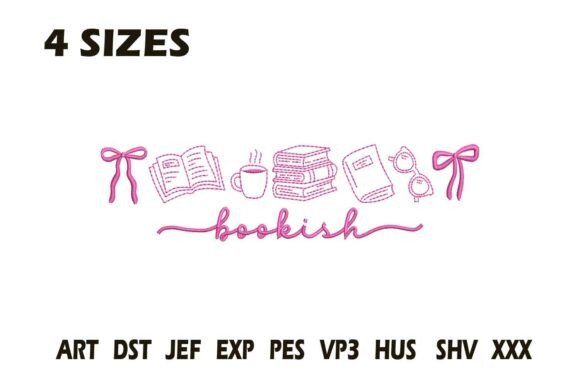
Not every placement is a winner. Based on the playful, whimsical description, I'd exercise caution with cap embroidery on structured front panels. The curved surface can distort a design that relies on horizontal balance or intricate outlines. If the artwork includes a book spine, glasses, or a steaming mug, that central focal point might warp unless the digitizer has specifically accounted for the crown's arc.
Dark uniforms are another consideration. The design's charm depends on clear contrast between the thread and the fabric. A light, airy color palette on a black polo shirt will read completely differently than on a cream sweatshirt. I always test the thread colors on the actual garment color, not just on white stabilizer. Textured fabrics like waffle weaves, piqué, or heavy slub cotton can also break up fine details, making the design look fuzzy or unfinished. For a crisp finished product, a smooth, mid-weight fabric is your safest starting point.
Frequent washing is the real test. A poorly digitized design with high stitch density in a small area may pucker, distort, or even break threads after a few laundry cycles. I'd run a wash test on at least three samples before stamping a design as "production ready."
Brand Identity: How a Whimsical Design Elevates Customer Trust
There's a quiet power in a design that doesn't shout. The Bookish Sweatshirt Embroidery leans into a warm, nostalgic aesthetic that many small businesses are now using to differentiate themselves from sterile, corporate competitors. When a customer sees a barista with an embroidered apron that tells a tiny story, it creates an immediate emotional connection. That connection translates into perceived value—the latte suddenly feels more artisanal, the bookstore more curated, the candle more thoughtfully made.
From a brand identity standpoint, this design reinforces consistency across all touchpoints. If you use it on staff shirts, tote bags, and product labels, you're building a cohesive visual language. That repetition breeds recognition. Over time, a small embroidered icon on a sleeve becomes as recognizable as a logo, but it feels more organic and less forced. For custom apparel and small business merch, that built-in trust is priceless.
I also appreciate how the design doesn't feel tied to a single season or trend. It has a timeless, storybook quality that can work year-round, for a pet brand, a bakery, a florist, or a creative workshop. That flexibility means you can invest in the embroidery file once and use it across multiple product lines without it feeling stale.
Designer Notes: Testing, Thread Colors, and Real Fabric Trials
Before you stitch this onto a single customer-facing item, I recommend a rigorous pre-production checklist. Here's how I approach any new commercial embroidery file:
- Test in black and white first. A design that looks amazing in multicolor can fall apart when reduced to a single thread tone. The Bookish Sweatshirt Embroidery likely benefits from its playfulness, but I always want to see if the silhouette holds up as a solid fill. If it doesn't, you'll need to be selective about where you offer a monochrome version.
- Check spacing at small patch size. Print the design out on paper at the exact intended dimensions. Look for any elements that touch or overlap. If the gaps between lines are less than 0.5mm, they'll likely close up in thread.
- Review thread color contrast. On screen, colors can be misleading. I always stitch a sample with the actual thread brands I plan to use. A muted mustard might look great on a computer, but on a natural linen it could disappear entirely.
- Confirm hoop size and file format. The product listing doesn't specify these, so I'd reach out to the seller. Know the minimum hoop size required and whether the file is provided in formats like .pes, .dst, .exp, etc. This is essential for your machine embroidery design workflow.
- Use the right stabilizer. For knits, a no-show mesh cutaway is my go-to. For woven tote bags, a tear-away often works fine. Don't guess; test on the exact fabric you'll use in production.
- Create a printable mockup for client approval. Even if you're the brand owner, a mockup on a photo of the actual garment helps you see the design in context. It's a critical step before ordering a dozen blanks.
- Compare beside other design assets. If you're building a brand, this design shouldn't clash with your existing logo or other embroidery elements. Lay them out side by side on a digital artboard to ensure visual harmony.
- Confirm commercial licensing. The description doesn't explicitly state that the digital embroidery file is cleared for business use on items for sale. Always verify you have the right to use it on merchandise, especially if you're an Etsy seller or a small boutique. Assume nothing.
The Commercial Embroidery Checklist: From File to Finished Product
When I consider the Bookish Sweatshirt Embroidery as a production asset, I'm not just looking at a pretty picture. I'm imagining a stack of perfectly embroidered tote bags, a row of aprons hanging in a sunny café, or a box of branded patches ready to stitch onto canvas hats. That transformation from file to physical product demands a clear-eyed view of the design's strengths and limitations.
This design's greatest asset is its emotional appeal. It tells a story without words, and that's exactly what a small business needs. It's a conversation starter, a mood setter, and a subtle mark of quality. Whether you're labeling a handmade product, elevating a tote bag design, or adding a signature accent to an apron embroidery project, it brings a distinctive personality that stock designs rarely achieve.
However, I'd caution against treating it as a one-size-fits-all solution. It likely works best as a chest accent, a patch, or a small pocket detail. For a full-back jacket design, you'd need to scale it up significantly and possibly re-digitize for the larger size. Always partner with a skilled digitizer if you need to adapt the original file. And remember, the finished product is only as good as the stitch-out. Invest in sample runs, use premium thread, and never skip the wash test.
For the right brand—a cozy bookstore, a whimsical bakery, a florist with a vintage touch—the Bookish Sweatshirt Embroidery could become a signature element that customers instantly recognize and love. It's a small design with a big personality, and when used thoughtfully, it can quietly elevate an entire small business merch collection.