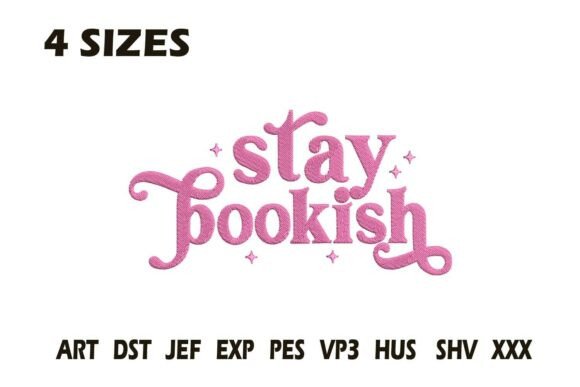
Evaluating Bookish Embroidery Design for Business Merchandise
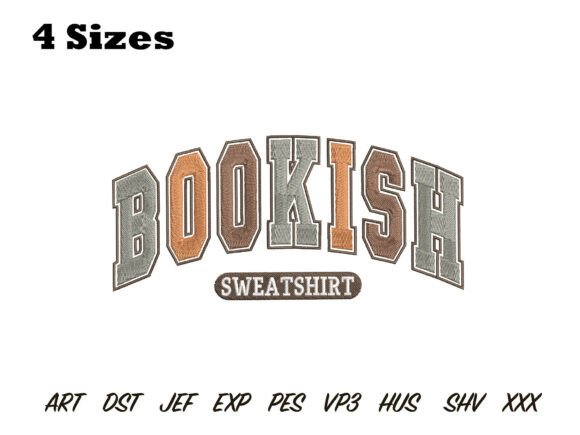
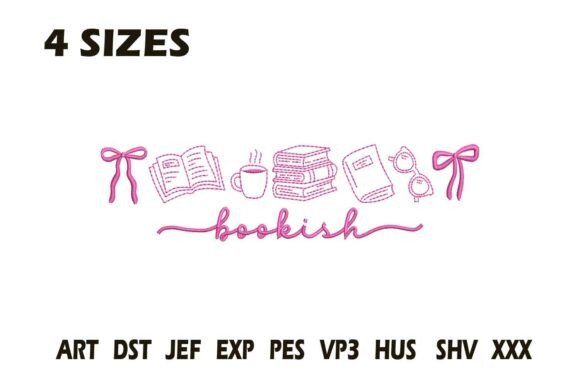
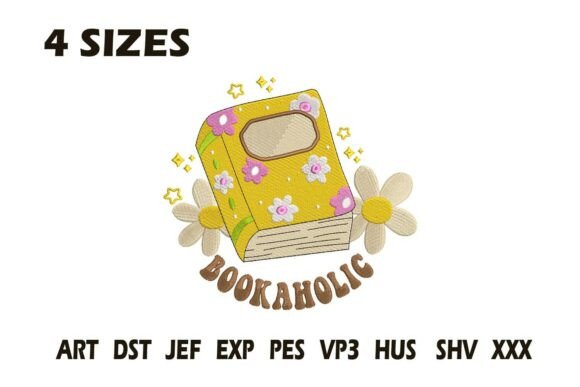
As an embroidery designer working with small businesses to create custom apparel and branded merchandise, my first impression of the Bookish Embroidery Design is immediately positive. The description suggests a “charming,” “fun and whimsical” design that brings “personality to any item.” This translates to a visual personality that feels both friendly and handmade, a combination that resonates deeply with boutique owners, creative studios, and local cafes looking to convey a warm, approachable brand identity.
A Design That Bridges Professionalism and Playfulness
For a small business, a logo or accent design must walk a fine line. It needs to feel professional enough to build customer trust and recognition, but also unique enough to reflect the brand’s soul. Based on its title and description, Bookish Embroidery Design leans into a classic, perhaps slightly rustic, decorative style. This isn’t a stark, modern corporate logo; it’s an asset that adds a touch of crafted charm. For a bookstore café, a florist with a literary theme, or a handmade shop selling journals, this design could become a central part of their visual identity, elevating a simple tote bag or apron into a premium, branded product.
Real-World Application for Small Business Merchandise
The true test of any digital embroidery file is how it performs in real production. Let’s review how Bookish Embroidery Design could function across common business use cases.
Embroidered Patches and Product Labels
This design seems tailor-made for creating an embroidered patch. Patches are incredibly versatile for small businesses: they can be sewn onto staff uniforms as a chest logo accent, affixed to product packaging as a branded add-on, or sold as standalone merchandise. The “whimsical touch” described suggests good visual detail, which can make a patch feel valuable. However, for patch production, you must check if the design works at a small patch size. Highly detailed areas or tiny lettering can become lost or muddy when minimized. Before committing, create a test patch at your intended size.
Uniforms, Caps, and Workwear Embroidery
For staff apparel like aprons, caps, or work shirts, this design could serve as a delightful sleeve detail or cap front decoration. It fosters a cohesive team look that feels personal rather than sterile. A bakery using this on aprons or a pet brand on staff polo shirts would project a unified, handmade presentation. Be mindful of fabric texture and stitch density. Designs with high stitch density on curved surfaces like caps can be challenging and may require adjustments. Always test on real fabric—a chef’s apron or a driver’s cap—to see how it holds up to the material’s curvature and typical movement.
Tote Bags, Home Decor, and Customer Gifts
The description mentions t-shirts, towels, and home decor, which aligns perfectly with creating boutique merchandise and customer gifts. Embroidered tote bags are a staple for retail shops and Etsy sellers. A tote bag design featuring Bookish Embroidery Design becomes a functional, branded asset that customers carry, extending brand visibility. For home decor items like towels or pillows in a creative studio, it adds a decorative, commercial embroidery element that increases the product’s perceived value and buyer engagement.
Considerations for Successful Commercial Embroidery
While the design’s personality is promising, practical execution dictates its success in small business merch. Here are key points to evaluate before production.
- Thread Color and Contrast: The “whimsical” nature might imply multiple thread colors. Review the design’s color plan. For dark uniforms or fabrics, ensure there is sufficient contrast for the design to remain clear and legible. Test it in black and white first to assess its fundamental form and outline integrity.
- Stabilizer and Hoop Size: The choice of stabilizer is critical, especially for items like towels or textured fabrics mentioned in the description. Confirm the recommended hoop size from the file details to ensure your machine and target item (like a cap hoop for caps) can accommodate it.
- Durability and Maintenance: Business merchandise, especially uniforms and caps, needs to withstand frequent washing. Examine the design’s construction. Are there large, solid fill areas that might hold up well, or many fine outlines that could wear over time? A durable design maintains brand professionalism longer.
- Brand Consistency: Before finalizing, compare it beside other design assets your business uses. Does Bookish Embroidery Design complement your existing logos, fonts, and color palette? Visual consistency across all touchpoints—from your Etsy shop banner to your embroidered aprons—strengthens brand identity.
Final Designer Notes for Business Implementation
To integrate this machine embroidery design seamlessly into your commercial projects, follow a disciplined workflow.
- Create a Printable Mockup: Before stitching, generate a mockup of the design on a photo of your target product—an apron, tote bag, or cap. This is invaluable for client approval and visualizing the finished product.
- Conduct a Full Test Run: Stitch the design on the exact fabric and item you plan to use. Assess the stitch density, thread coverage, and any registration issues. This step reveals practical adjustments needed for curved surfaces or textured materials.
- Confirm Commercial Licensing: The product description does not specify license terms. It is imperative to confirm commercial licensing before business use. Ensure the embroidery file license permits use on merchandise you produce for sale, whether it’s event merch, staff uniforms, or products in your handmade shop.
- Plan for Scale: Consider how the design will look across a range of sizes—from a small patch on a product label to a larger accent on a tote bag. Its versatility will determine its long-term value as a business asset.
In conclusion, Bookish Embroidery Design presents a compelling opportunity for small businesses in the “School” and educational niches, or any brand wanting a classic, charming aesthetic. Its described whimsical personality can translate into merchandise that feels personal, premium, and engaging. By rigorously testing its technical performance on real-world items and ensuring it aligns with your broader brand strategy, this design can become a valuable tool for building recognition, trust, and a cohesive, professionally crafted product line.