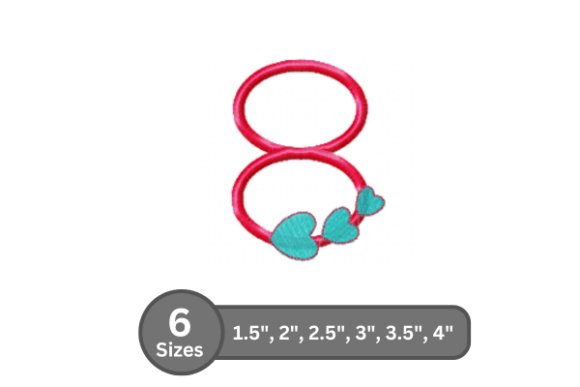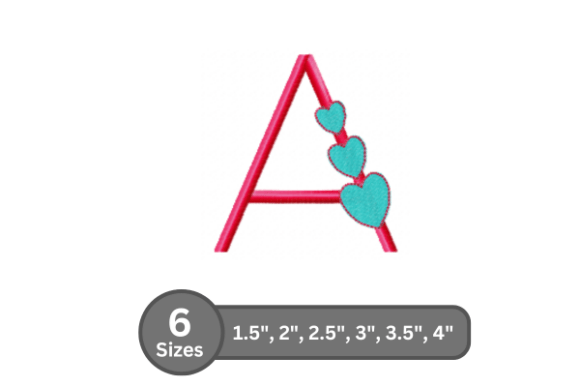
Candy Heart Alphabet: A Sweet and Versatile Embroidery Font
As an embroidery designer preparing for a busy craft fair, every design file I choose is a calculated bet. It’s not just about whether I like it; it’s about how it will perform in a booth full of handmade products, how it will translate to various fabrics, and ultimately, how it will catch a customer’s eye and convince them to buy. Today, I’m reviewing a new design asset: Candy Heart Alphabet -a. Let’s walk through a real-world evaluation.
First Impressions: Sweetness with a Touch of Nostalgia
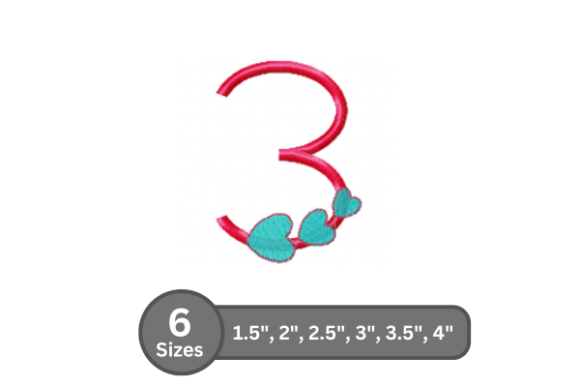
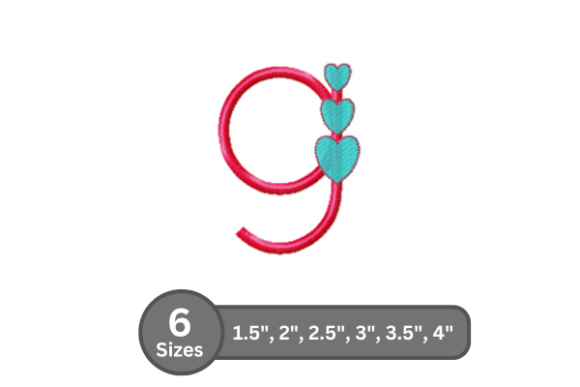
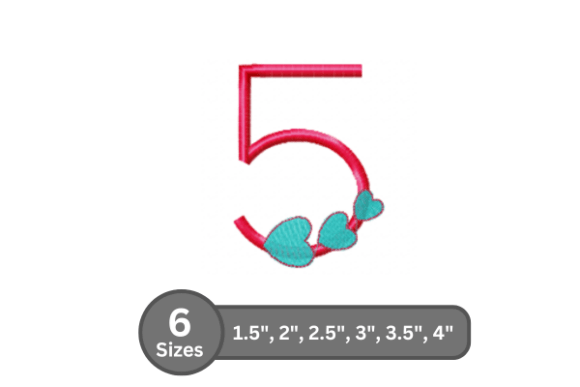
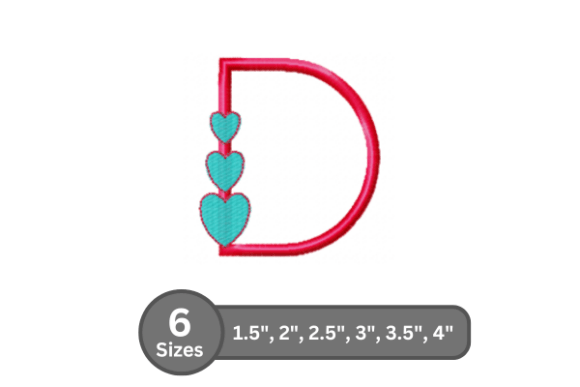
The name itself sets the tone. This is not a stark, modern font nor a rustic farmhouse script. Candy Heart Alphabet -a immediately evokes a sense of playful sweetness, nostalgia, and schoolyard charm. It feels cute, decorative, and inherently giftable. For craft fair sellers, this emotional hook is valuable. It speaks to personalization, to heartfelt messages, and to products that feel both handmade and premium. The description notes it's a fill stitch font digitized for smooth stitching, which signals a focus on professional results—a crucial point for us makers who need our booth samples to look flawless.
Performance Across Key Craft Fair Products
My booth table is my stage. I envision Candy Heart Alphabet -a applied across a range of items to test its versatility and selling power.
Tote Bags and Market Bags
For a tote bag design, this font could be a winner. A single word like “LOVE,” “MOM,” or a name embroidered in this style on a solid canvas bag creates an instant conversation piece. The sweet, filled letters provide substantial visual weight without being overly bulky. They’d photograph beautifully for Etsy listings and stand out clearly on a display rack. On a darker fabric, provided thread contrast is high, the design should maintain its clarity.
Aprons and Kitchen Towels
Apron embroidery and tea towel embroidery are perennial craft fair favorites. Candy Heart Alphabet -a fits perfectly here. A phrase like “Bake Happy” or “Kitchen Queen” along the hem of an apron leans into the cute, decorative vibe. On towels, however, fabric texture is a consideration. The fill stitch needs a good stabilizer to look smooth on the terry cloth or linen surface. I’d test it on scrap first to ensure the stitch density handles the texture without puckering.
Caps and Embroidered Patches
This is where careful-use notes come into play. The curved surface of a cap can challenge any design. I’d likely use Candy Heart Alphabet -a for smaller, shorter words on caps, ensuring the lettering isn’t so small that the filled details blur. As an embroidered patch, this font could be fantastic. A patch with a sweet monogram or word offers high perceived value as a handmade product and is easy to batch produce.
Pillow Covers and Fabric Pouches
For smaller giftable items like pillow covers or fabric pouches, this alphabet shines as an accent. A single initial on a pouch makes it feel personalized and special. As a large focal design covering a pillow, the repeatable nature of the letters allows for creating full phrases, turning a simple pillow into a standout booth sample. The design’s inherent charm boosts the visual appeal and customer attention on these softer, home-centric products.
Practical Production and Selling Points
Beyond aesthetics, a design must be practical to produce and sell.
Batch Production and Online Appeal
Candy Heart Alphabet -a appears highly repeatable. For batch production of items like patches or pouches, a consistent alphabet font ensures brand consistency and speeds up the process. Its decorative nature means it’s easy to understand at a glance—a customer at a fair instantly recognizes a sweet monogram or phrase. This is vital for quick sales. For online sellers, the filled letters will render well in printable mockups and real product photos, adding to the handmade quality perception in an Etsy listing.
Sizing and Clarity Considerations
The description emphasizes smooth stitching, but as a designer, I always run my own tests. On thick fabrics like denim, or when scaling the design down for a tiny accent, I would inspect stitch density closely. Tiny details in filled letters can sometimes lose clarity at very small sizes. I’d confirm the minimum hoop size I can comfortably use and create at least one real mockup on the actual fabrics I plan to sell—a light cotton, a dark canvas, a textured towel—to compare results and thread color choices.
The Craft Fair Booth Display
How does this font affect the booth itself? A cohesive display where Candy Heart Alphabet -a appears across multiple product types—a tote bag, an apron, a patch, a pillow—creates a strong thematic story. It signals specialization and can engage buyers looking for a specific, sweet style. It increases product value by feeling like a custom, designer touch rather than a generic print. For boutique makers, this alignment is key.
Essential Embroidery Designer Notes Before Selling
Before I stitch any final products for commercial embroidery or my small shop, a checklist is mandatory.
- Test on Scrap Fabric: Always stitch the font on scraps of your intended materials—especially textured towels and curved cap samples—to check for puckering or clarity loss.
- Check Thread Contrast: On dark fabrics, use bright, high-contrast threads to keep the sweet details of Candy Heart Alphabet -a visible.
- Review Spacing and Stabilizer: Ensure letter spacing looks balanced in your chosen phrase and pair the design with the correct stabilizer for the fabric weight.
- Create Real Mockups: Before batch production, make at least one finished product mockup. This reveals any real-world issues and provides the perfect booth sample.
- Confirm Commercial Licensing: The product description doesn’t specify license terms. It is imperative to verify that this digital embroidery file is cleared for commercial use before selling any finished products.
In conclusion, Candy Heart Alphabet -a presents a compelling opportunity for creative entrepreneurs. Its sweet, nostalgic mood aligns perfectly with giftable, personalized handmade products. With careful attention to fabric choice, sizing, and production details, this embroidery file can become a versatile asset for a craft fair booth, strengthening display cohesion, engaging customers, and ultimately driving sales. My final advice is to embrace its charm, but always, always stitch it first.