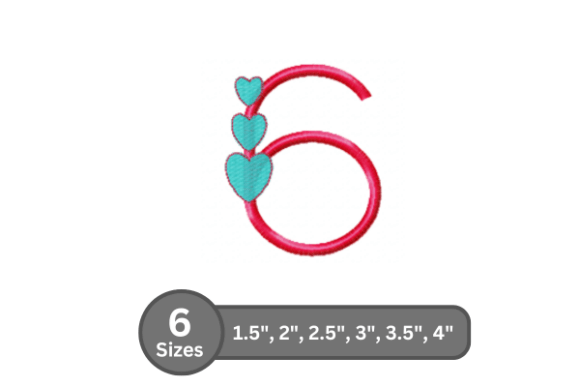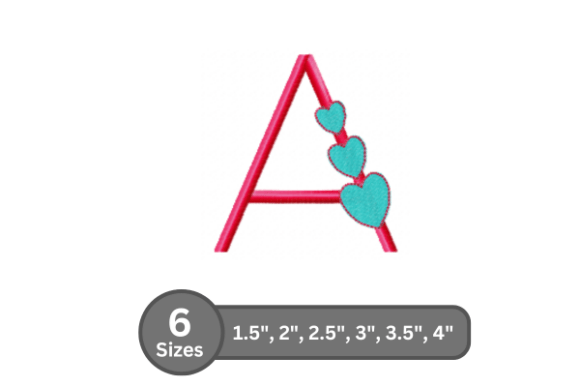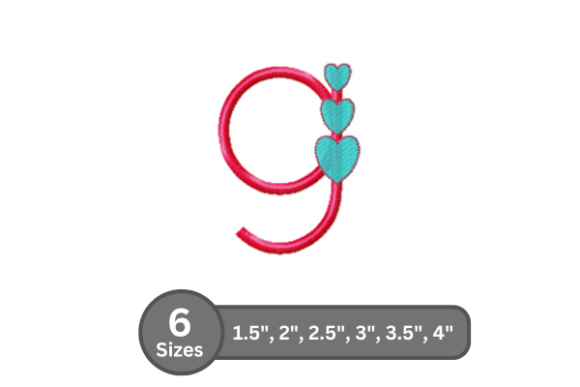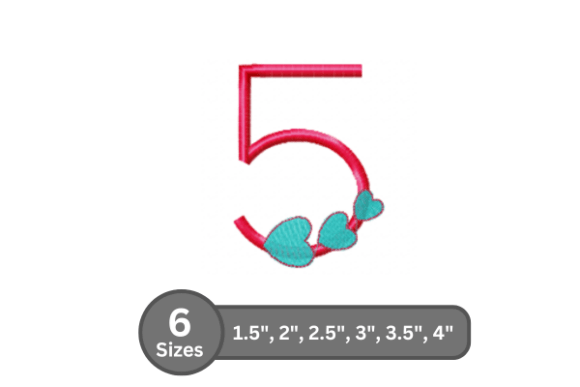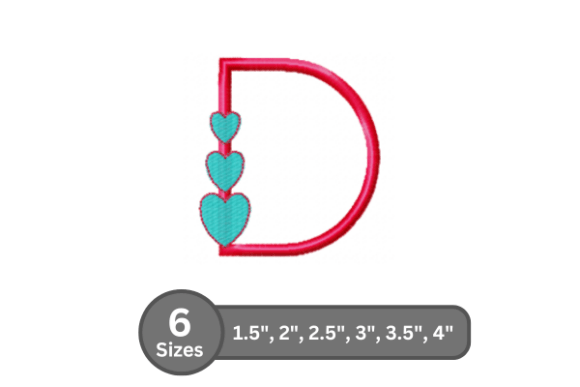
The Candy Heart Font: A Sweet and Versatile Choice for Your Projects
The First Impression: Sweetness Without Sacrificing Strength
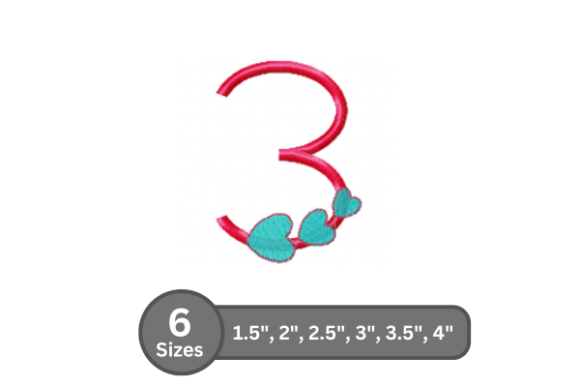
When you see Candy Heart Number -3, the mood is immediately clear: playful, friendly, and approachably sweet. This isn't a sugary, fragile-looking script. It’s a fill stitch font with a confident, chunky shape that feels both nostalgic and modern. The heart motif integrated into the numbers gives it a cohesive, themed personality that’s perfect for personalized projects. My first thought was how this design bridges a gap—it’s charming enough for a child’s item, but the clean, professional digitizing means it wouldn’t look out of place on an adult’s gift either.
A Natural Fit for Real-World Projects
Let’s talk about where this embroidery font naturally excels. I recently considered it for a small batch of custom tote bags for a local boutique’s Valentine’s Day promotion. The owner wanted something that felt handmade and special, but also durable and clearly legible. Candy Heart Number -3 was a contender because its fill stitch construction promises smooth stitching, which translates to a clean, professional result on a textured bag fabric. It’s not just for Valentine’s Day, though. The “school” category hint makes sense: think of personalized pencil cases, sweatshirts for a sports team number, or a cute nursery item with a birth date. It has that generic, year-round sweet spot for gifts and merchandise.
Where It Shines: From Totes to Tea Towels
For crafters and small business owners, versatility is key. This font feels ideal for projects where you want the personalization to be the cheerful focal point. I envision it working beautifully on:
- Custom apparel: A sweatshirt with a significant year or lucky number embroidered on the sleeve.
- Personalized gifts: A kitchen towel with a wedding date, or a baby blanket with a birth weight.
- Small shop merchandise: Tote bags, aprons, or pillow covers for an Etsy shop selling handmade home goods.
- Simple patches: A standalone number patch for a cap or backpack, where the heart detail adds character without overwhelming.
The description says it’s perfect for clothing, bags, and towels, and that’s a practical, accurate starting point. For apparel decorators, this is a font that can elevate a basic item into a thoughtful, handmade product.
Thinking Like a Maker: Performance on the Machine and the Product
A well-digitized fill stitch font should feel reliable under the needle. The promise of “smooth stitching and professional results” is what we’re all looking for. In a real-life scenario, like embroidering a curved surface like a cap, the density and stitch flow of this design would be critical. A dense, poorly digitized font can puckering on curves, but a smooth one lays down cleanly. That professional result directly impacts customer trust and the perceived value of your finished product. A crisp, clean number on a cap looks like premium merchandise; a lumpy, distorted one looks amateurish.
Points for Caution and Testing
Even with a good design, practical judgment is necessary. For Candy Heart Number -3, here are situations where I’d proceed with extra care:
- Very small hoop sizes: If you’re trying to stitch a tiny number, the heart detail and fill stitch might lose clarity. Test the minimum size you’re comfortable with.
- On thin or stretchy fabrics: A fill stitch has density. Using the correct stabilizer is non-optional here to prevent warping or shadowing on delicate t-shirts or jersey fabrics.
- On dark fabrics: The visual appeal depends on thread color contrast. A light, bright thread on dark denim or a black sweatshirt would make this pop wonderfully, but a poorly chosen color could muddy the sweet heart detail.
These aren’t criticisms of the design; they’re standard embroidery considerations. The key is to not assume any design is universally perfect for every substrate.
The Designer’s Practical Notes Before You Hoop
Before I commit any design to a client project or my own shop merchandise, I run through a simple checklist. For an embroidery font like Candy Heart Number -3, my notes would look like this:
- Always test on scrap fabric first. Use the actual fabric type you plan for the final product—be it a canvas tote bag, a cotton towel, or a fleece sweatshirt. This reveals how the stitch density interacts with the texture.
- Check thread color contrast in both directions. Stitch a sample on a light scrap and a dark scrap. Does the sweet personality of the design hold up on both?
- Inspect the small details. Hoop up a test and look closely at the heart integration in the numbers. Are the corners sharp? Does the fill stitch look consistent? This affects stitching clarity.
- Confirm licensing for your use. The description doesn’t specify license terms. If you’re selling finished products or digital product mockups using this font, you must verify the license allows commercial use. Never assume.
- Consider the whole product lifecycle. If you’re embroidering a baby item or kitchen towel that will need frequent washing, a robust, smooth fill stitch like this should hold up well, but again, your test on actual fabric is the only true answer.
Why This Font Adds Value to Your Craft Business
For creative entrepreneurs, the choice of design assets is a business decision. Candy Heart Number -3, when used appropriately, enhances your product’s visual appeal and handmade presentation. It’s specific enough to feel custom-made (a date, a special number), but the style is universally charming. That boosts giftability and buyer engagement. A customer looking for a personalized birthday gift for a teen, for example, might find a sweatshirt with their favorite number in this sweet font more appealing than a plain block font. It tells a story. For brand consistency, if your shop specializes in playful, heartfelt goods, this font could become a reliable part of your toolkit for personalization.
Ultimately, an embroidery file is a tool. This one seems crafted to be a dependable, mood-setting tool. It won’t be the dramatic centerpiece for every project, but for where it fits—personalized gifts, cheerful apparel, boutique merchandise—it should deliver that smooth, professional result it promises. That reliability is what lets you, the maker, focus on creating the finished product with confidence, knowing the design itself won’t be the weak link. And in the world of handmade and small business, that confidence is everything.