Candy Heart Number -6: A Sweet, Playful Font for Embroidered Projects
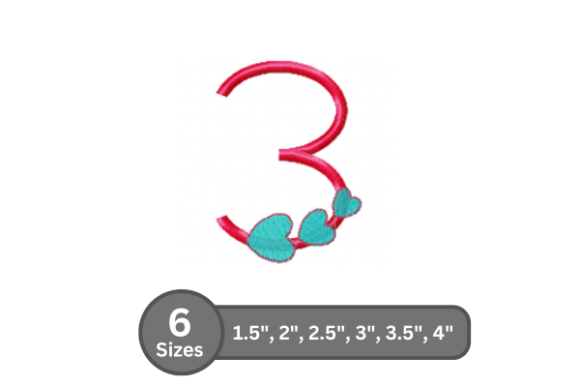
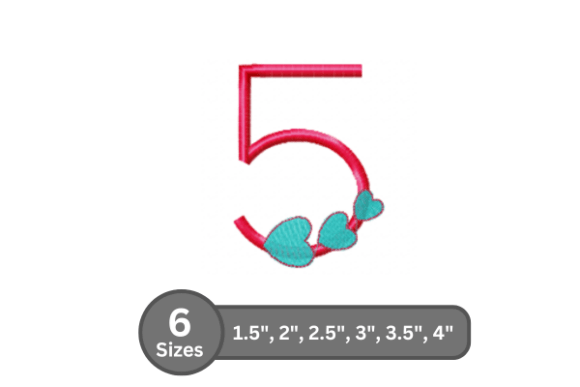
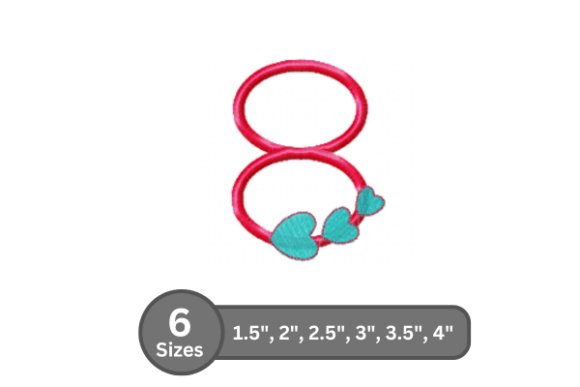
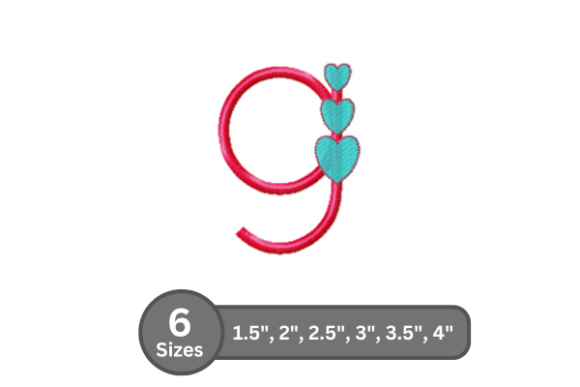
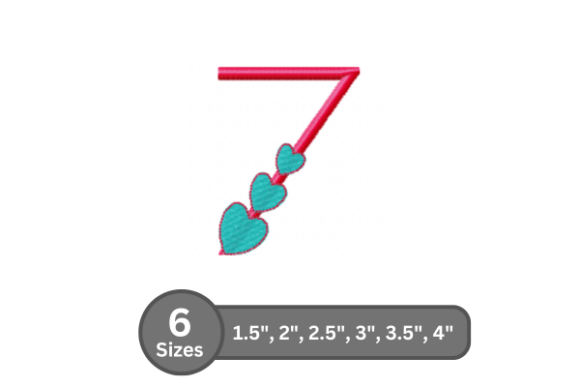
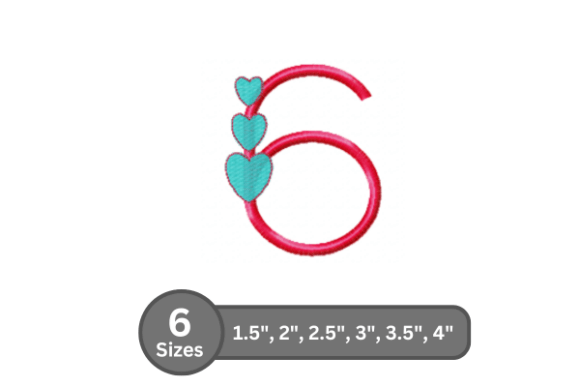
When I first opened the Candy Heart Number -6 embroidery file, my immediate impression was one of cheerful nostalgia. It’s a font that doesn’t just spell out numbers; it conveys a mood. The soft, rounded heart shapes replacing traditional serifs or strokes give it a playful, friendly personality. This isn’t a stern, technical font—it’s inviting. It feels like it belongs on something meant to bring a smile, a personal touch, or a bit of lighthearted charm.
The Right Project for This Sweet Embroidery Font
I mentally started scrolling through my typical project list. This machine embroidery design would feel forced on a corporate polo shirt or a technical jacket. Instead, my mind went to a custom tote bag for a teacher, a personalized baby blanket, or a set of kitchen towels for a holiday gift. The “School” category tag is apt, but its use extends beyond the classroom. Think boutique products for a small shop: monogrammed sweatshirts for a kids’ brand, numbered pillows for a nursery line, or custom patches for a crafty Etsy seller’s collection. It has that handmade, giftable quality that customers recognize and appreciate.
Where Candy Heart Number -6 Stitches Up Perfectly
I envision this fill stitch embroidery font performing beautifully on stable, medium-weight fabrics. A canvas tote bag would be ideal—the structure supports the design, and the playful numbers align perfectly with a fun, everyday accessory. On the center of a cotton baby onesie or a child’s apron, it would look adorable and stitch cleanly. For small business merchandise like tea towels or pillow covers, it adds a decorative accent without being overwhelming. The heart details are clear enough to be recognizable, giving the finished product a cohesive, designed look that boosts its perceived value.
Using it for something like a wedding date embroidered on a keepsake blanket could be a charming twist, blending romance with a softer, less formal numeral style. For an apparel decorator, pairing it with a simple script name on a sweatshirt creates a balanced, custom apparel piece that feels both personal and professionally made.
Considerations for Real-World Stitching
As a professional, my excitement about a design’s look is always tempered by practical stitching considerations. The description mentions careful digitizing for smooth stitching, which is crucial. For a font like this, stitch density is key. Too dense on a thin t-shirt, it could pucker; too light, the heart shapes might not fill properly. I would absolutely test Candy Heart Number -6 on scrap fabric first, especially if my final project uses a textured or slightly stretchy material.
Dark fabric backgrounds require careful thread color choice—a white or pastel number on a black sweatshirt can look stunning, but you must ensure the fill stitch is solid and clean to maintain clarity. On curved surfaces like caps, the smaller numbers might work, but the larger ones could distort; hoop size and stabilizer choice become even more critical here.
Given the decorative heart elements, the smaller details in the design—like the curves where the heart meets the numeral—need inspection after a test stitch. They should hold up without looking frayed or too dense. For products that need frequent washing, like baby clothes or kitchen towels, a stable, well-stitched design using good thread will ensure longevity and maintain customer trust in your handmade product.
A Scenario: Preparing a Boutique Baby Gift Set
Let’s walk through a real case. I’m preparing a limited-run baby gift set for my small shop: a muslin blanket, a matching burp cloth, and a tiny beanie. The client wants the birth date embroidered. Candy Heart Number -6 comes to mind immediately. Its sweet aesthetic fits the nursery decor theme perfectly. But I’m thinking practically: the muslin is lightweight. I’ll use a sturdy stabilizer and perhaps opt for a slightly smaller hoop size for the beanie’s curved surface. I’ll stitch the date on the blanket first, checking that the ‘6’ (perhaps for June) doesn’t have any overly dense areas that could make the fabric stiff. Seeing it stitched, I imagine a customer’s reaction—it feels special, personalized, and professionally executed, which elevates the entire gift set. It’s not just an embroidery file; it’s a design asset that completes the product.
How This Font Influences Your Business and Craft
Beyond the stitch itself, using a cohesive, well-designed font like Candy Heart Number -6 affects your broader work. For creative entrepreneurs and digital product sellers offering printable mockups, this font adds a specific, appealing style that can attract a niche audience. For an Etsy seller’s craft fair products, consistency matters—using this font across a line of numbered items creates brand consistency.
It makes a handmade presentation feel more deliberate and designed, rather than randomly chosen. This builds buyer engagement because the aesthetic is clear and appealing. For commercial embroidery projects, such as a local boutique ordering numbered aprons for a cooking class, it offers a professional yet playful result that aligns with the boutique’s brand.
However, its use requires confident judgment. It wouldn’t fit a minimalist, modern brand aesthetic. It’s inherently sweet and playful. Knowing where it fits and where it doesn’t is part of the professional designer’s review.
Essential Designer Notes Before You Hoop It
Before I commit Candy Heart Number -6 to a final project, my routine applies:
- Stitch it out on a scrap of the exact final fabric—and on both light and dark backgrounds if applicable.
- Review the thread color contrast. A pale pink thread on a light grey fabric might vanish; a bold red on white will pop.
- Confirm the hoop size needed for your specific project. Does the number sequence fit your intended space?
- Check the design in simple black and white mockups to judge its form separate from color.
- Always, always use the proper stabilizer for your fabric type. This is non-negotiable for professional results.
- Most importantly, if you are selling the finished items or using the file for commercial embroidery projects, confirm the licensing terms for this embroidery font. The product description doesn’t specify, so it’s your responsibility to check.
The description states it’s designed for embroidery machines and perfect for personalizing clothing, bags, towels, and more. That’s a good starting point, but your specific application—a baby item, a holiday gift, a small shop’s merchandise—will determine its ultimate success. Trust your test stitch as your final guide.
Candy Heart Number -6, with its heart-filled charm, is a tool. In the right hands, on the right project, it creates an embroidered product that feels thoughtful, well-crafted, and joyfully personalized. It’s a font that asks you to consider the mood of your work, not just the letters you’re stitching. That’s the mark of a useful design asset.